
Flight cancellations, delays and baggage problems can quickly disrupt a trip. Air travel was the most complained-about sector reported to European Consumer Centre Ireland (ECCI) in 2025, accounting for 34% of all contacts received.
Whether you are taking a late holiday or returning from a trip, it is worth knowing what your rights are if your flight is cancelled or delayed
Flying in the EU
EU air-passenger rights generally apply if your flight:
- departs from an EU country;
- travels between two EU countries; or
- arrives in the EU from outside the EU and is operated by an EU airline.
Your rights will depend on what happened and the circumstances involved.
If your flight is cancelled
If an airline cancels your flight, it must generally offer you a choice between:
- rerouting you to your final destination, as soon as it can or;
- a refund for the cancelled or unused part of your journey; or
If you choose rerouting and must wait for a replacement flight, the airline may also have to provide care and assistance, including meals, refreshments and, where necessary, hotel accommodation and transport.
You may also be entitled to compensation, depending on when you were told about the cancellation, the flight distance and the reason for the disruption. However, compensation may not be payable where the airline can show that the cancellation was caused by extraordinary circumstances outside its control, such as an extreme weather event or war.
Read more about your rights when a flight is cancelled.
Delayed flights
If your flight is delayed by two hours or more, you may be entitled to care while you wait in the airport. This can include meals, refreshments, communications and accommodation where an overnight stay becomes necessary.
If you arrive at your final destination three or more hours late, you may also be entitled to compensation. If the delay reaches five hours, you may choose not to travel and seek a refund for the affected part of your journey.
Find out more about flight delays.
Denied boarding
If you are denied boarding against your will, for example because a flight has been overbooked, you may be entitled to rerouting or a refund, care and assistance, and financial compensation.
These rights will not apply where the airline has reasonable grounds to refuse boarding, such as safety or security concerns, inadequate travel documents or arriving too late for check-in or boarding.
Case study: €6,000 recovered for a delayed school group
An Italian school group’s flight with an Irish airline arrived almost five hours late. Although the airline initially agreed to pay compensation, it later refused to transfer the payment to the school’s bank account and stopped responding.
ECC Italy referred the case to ECC Ireland, which contacted the airline and explained that passenger rights apply equally to people travelling as part of a group. Following ECC Ireland’s intervention, the airline paid €6,000 in compensation to the 24 passengers.
Delayed, lost or damaged luggage
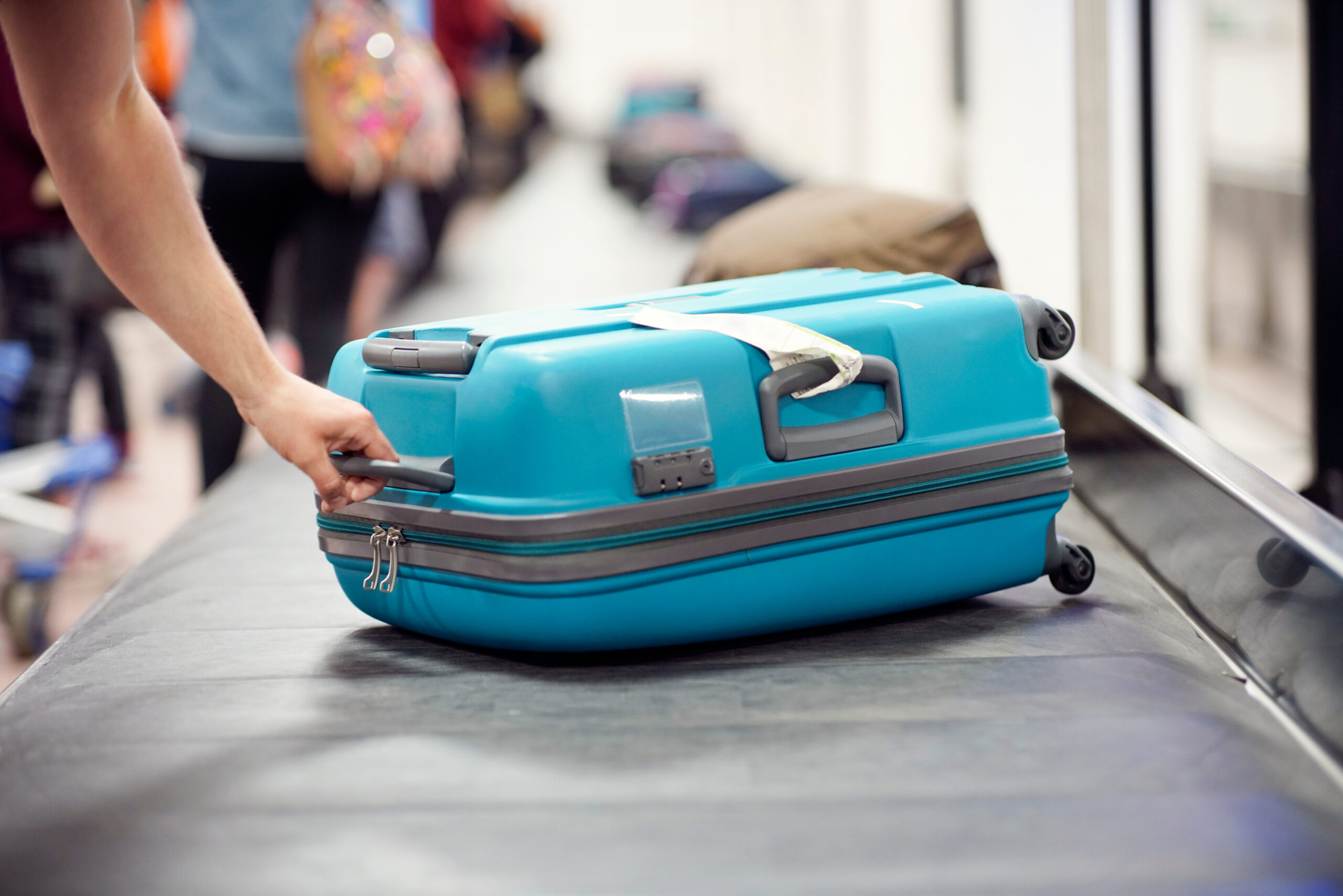
If your checked baggage does not arrive or arrives damaged, report it before leaving the airport. Complete a Property Irregularity Report (PIR) at the airline’s baggage desk and keep a copy. This report will be essential when making a claim with the airline.
If your luggage is delayed, keep receipts for reasonable essential purchases, as you may be able to claim these costs from the airline. Baggage is generally considered lost if it has not been located after 21 days.
For damaged baggage, take photographs and submit a written claim to the airline within seven days. Keep your boarding pass, baggage tag, PIR and any receipts or other proof of the value of the luggage and its contents.
Read ECCI’s guidance on delayed, lost or damaged luggage.
Case study: Lost bag recovered through the ECC Network
A passenger travelling from China to Dublin via Istanbul was rerouted through London after a flight cancellation. During the revised journey, the passenger’s bag was misplaced and ultimately lost.
The consumer filed a PIR on landing in Dublin when the bag did not arrive.
The consumer complained to both the airline where they made their original booking, and the airline which operated the replacement flight, with neither airline accepting responsibility and both directing the consumer to the other airline. The consumer also provided receipts and invoices for the items within the luggage, which were lost.
Under the Montreal Convention, it is the operating airline which holds responsibility for the luggage lost under their case. The airline is liable for provable losses up to a maximum amount of 1,519 “special drawing rights”, which is roughly €1,790 – however this is a cap on liability, and not an entitlement.
ECC Ireland contacted our partners at the ICC UK in order to mediate the dispute between the consumer and the airline. The airline agreed to reimburse the consumer the full amount of €1400.
Check your travel insurance
Travel insurance can provide additional protection for costs or situations that may not be covered by your passenger rights. Cover varies between policies, so check the terms, exclusions and claim requirements before travelling.
If something goes wrong, contact both the airline and your insurer promptly. Keep all receipts, booking details and correspondence, but remember that you generally cannot recover the same expense twice.
If you cannot resolve a cross-border dispute directly with an airline or another business based in the EU, Iceland, Norway or the UK, contact ECC Ireland to see if we can help.
Air travel accounted for the largest share of contacts received by ECCI in 2025. Read more about ECCI’s work and consumer outcomes in the ECCI 2025 Annual Report.